
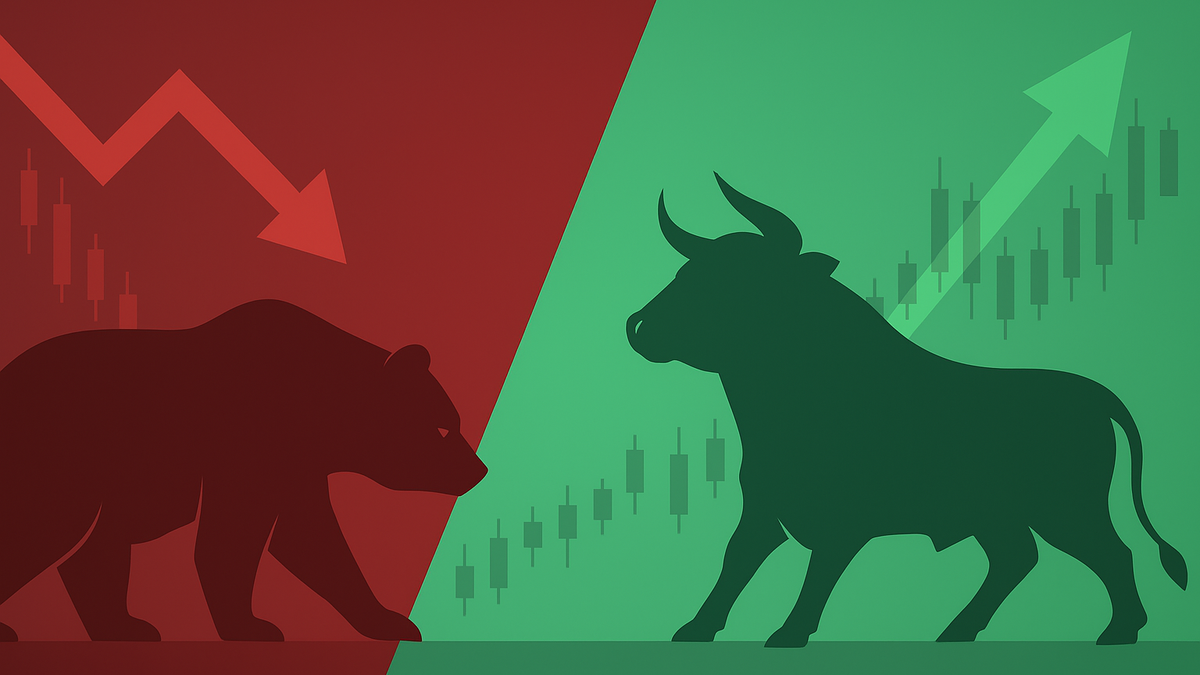
When you start learning about investing, you'll often hear people talk about "bull markets" and "bear markets." These terms are simple ways to describe what's happening in the stock market.
What is a Bull Market?
A bull market is when stock prices keep going up over time.
In simple terms, when we're in a bull market, most stocks are getting more expensive, and investors are making money.
What Happens During a Bull Market?
- Prices Keep Rising: Stocks and other investments generally increase in value. Even if prices drop for a day or two, the overall trend is upward.
- People Feel Good About Investing: When things are going well, more people want to invest their money. They feel confident that prices will keep rising, so they buy more stocks.
- The Economy is Strong: Bull markets usually happen when the economy is doing well. More people have jobs, businesses are making good profits, and people are spending money.
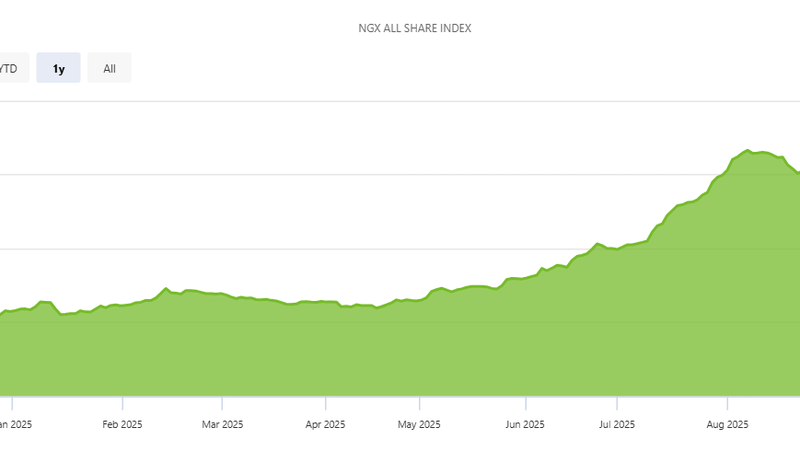
For example, from 2020 till now, the stock market experienced one of the longest bull markets in history. ₦1 million invested in 2020 would be worth about ₦3.83 million as of December 2024, assuming it tracked the overall market performance of the NGX All-Share Index.
What is a Bear Market?
A bear market is the opposite, it's when stock prices keep falling consistently over time.
When we're in a bear market, most stocks become cheaper, and many investors lose money (at least on paper).
What Happens During a Bear Market?
- Prices Keep Falling: Stock values decrease significantly. Experts usually say we're in a bear market when prices drop 20% or more from their highest point.
- People Feel Worried: Investors get nervous about losing money, so many people sell their investments. This worry can make prices fall even faster.
- The Economy Struggles: Bear markets often happen during tough economic times. Businesses might make less money, people might lose jobs, and everyone spends less.
The good news is that in history, bear markets are usually shorter than bull markets. They typically last several months to about a year and a half.
For example, in 2020, when COVID-19 started spreading, the stock market dropped quickly. Many people saw their investments lose 30% or more of their value in just a few weeks. However, the market recovered fairly quickly, and within months, prices were climbing again.
The Main Differences Between Bull and Bear Markets
Direction of Prices
- Bull Market: Prices go up
- Bear Market: Prices go down
This is the biggest and most obvious difference. In a bull market, the value of your investments generally rises, while in a bear market, they usually lose value
How People Feel
- Bull Market: People are excited and optimistic. They believe their investments will make them money, so they want to buy more stocks.
- Bear Market: People are scared and pessimistic. They worry about losing money, so many want to sell their investments.
What Investors Do
- Bull Market: Investors focus on growth. They look for stocks that might increase a lot in value and people are more willing to take risks because they're confident.
- Bear Market: Investors become defensive. They look for safer investments and try to protect their money. People are less willing to take risks.
How Can You Tell Which Market We're In?
When you check the All Share Index of the stock market across several months and it is positive, we're in a bull market. If it is consistently negative, we might be in a bear market. Right now, we are in a Bull Market
Source: NGX
How to Handle Bull Markets
- Stay Invested - When things are going well, it's tempting to sell your investments and take your profits. But bull markets can last for years, and you might miss out on even bigger gains if you sell too early.
- Don't Get Too Excited - Just because prices are going up doesn't mean you should invest all your money or take big risks. Bull markets don't last forever, and you want to be prepared when things change.
- Keep Learning - Use bull markets as a time to learn more about investing. When you're making money, it's easier to stay interested and keep building your financial knowledge.
- Save Some Money - Even during good times, keep building your emergency fund. This way, you'll have cash available when a bear market comes.
How to Handle Bear Markets
- Don't Panic - This is the most important rule. When prices are falling, it's scary to watch your investments lose value. But history shows that markets always recover eventually.
- Don't Sell Everything - When you sell during a bear market, you turn your "paper losses" into real losses. If you can afford to wait, your investments will likely recover their value over time.
- Keep Investing (If You Can) - Bear markets can actually be a good time to invest because stocks are "on sale." If you have money to invest, you can buy stocks at lower prices.
- Think Long-Term - Remember that investing is a long-term game. Even though bear markets are uncomfortable, they're a normal part of investing. What matters is where your investments are in 10, 20, or 30 years—not where they are today.
- Focus on Quality - During bear markets, look for companies that are strong and stable. These are more likely to survive tough times and do well when the market recovers.
Common Mistakes to Avoid
- Trying to Time the Market - Many people try to sell right before a bear market starts and buy right before a bull market begins. Even experts can't predict exactly when markets will change. You'll likely get it wrong and lose money.
- Following the Crowd - When everyone is excited during a bull market, it's tempting to invest without thinking. When everyone is scared during a bear market, it's tempting to sell everything. Try to make decisions based on your plan, not your emotions.
- Investing Money You Need Soon - Only invest money that you won't need for at least 5 years. This way, if a bear market happens, you have time to wait for recovery instead of being forced to sell at a loss.
- Ignoring Diversification - Don't put all your money in one stock or one sector. Spread your money across different investments so that if one does poorly, you don't lose everything.
Here's something important to remember: Over the long run, the stock market has always gone up. Yes, there are bear markets that can be scary, but they've always been followed by bull markets that bring prices to new highs.
If you had invested in a broad stock market fund 30 years ago and just left it alone, you would have lived through several bear markets. But your investment would still be worth much more today than when you started.
Understanding bull and bear markets helps you:
- Make Better Decisions: You'll know that falling prices are normal and temporary, so you won't panic and sell at the wrong time.
- Plan Ahead: You can adjust your strategy based on market conditions without making drastic changes.
- Stay Calm: Knowledge reduces fear. When you understand what's happening and why, you're less likely to make emotional decisions.
- Build Wealth Over Time: By staying invested through both bull and bear markets, you give your money the best chance to grow.
Bull and bear markets are like seasons, they come and go, but the cycle continues. The key to successful investing isn't avoiding bear markets or perfectly timing bull markets. Instead, it's about:
- Having a solid investment plan
- Staying invested for the long term
- Not letting emotions control your decisions
- Continuing to learn about money and investing
Whether the market is charging forward or pulling back, your best strategy is to keep learning, stay invested in strong companies, and focus on your long-term financial goals. With time and patience, you can build real wealth regardless of what the market does in the short term.